Dreaming about life near the water in Traverse City? You are not alone, and the good news is that “living by the water” can mean several very different things here. Whether you picture bayfront mornings, a walkable cottage near the beach, or a quieter inland-lake setting, understanding your options can help you choose a home that truly fits your lifestyle. Let’s dive in.
Why water living looks different here
Traverse City sits on East and West Grand Traverse Bay, but waterfront living is not limited to one property type. You can find direct bay frontage, homes with bay views, in-town properties near public beaches and trails, and inland-lake options across Grand Traverse County.
That variety matters because the right fit is not always the closest home to the shoreline. In many cases, your best match depends on how you want to spend your time, how much property upkeep you want, and whether you want private frontage or easy public access.
The area also supports an active outdoor lifestyle. Traverse City notes that it has more than 35 parks, and Grand Traverse County manages more than 1,600 acres of parkland and 20 miles of trails.
Bayfront homes in Traverse City
Bayfront homes are the most direct version of waterfront living. These properties touch Grand Traverse Bay itself, which means you get immediate access to the shoreline and the strongest connection to the water.
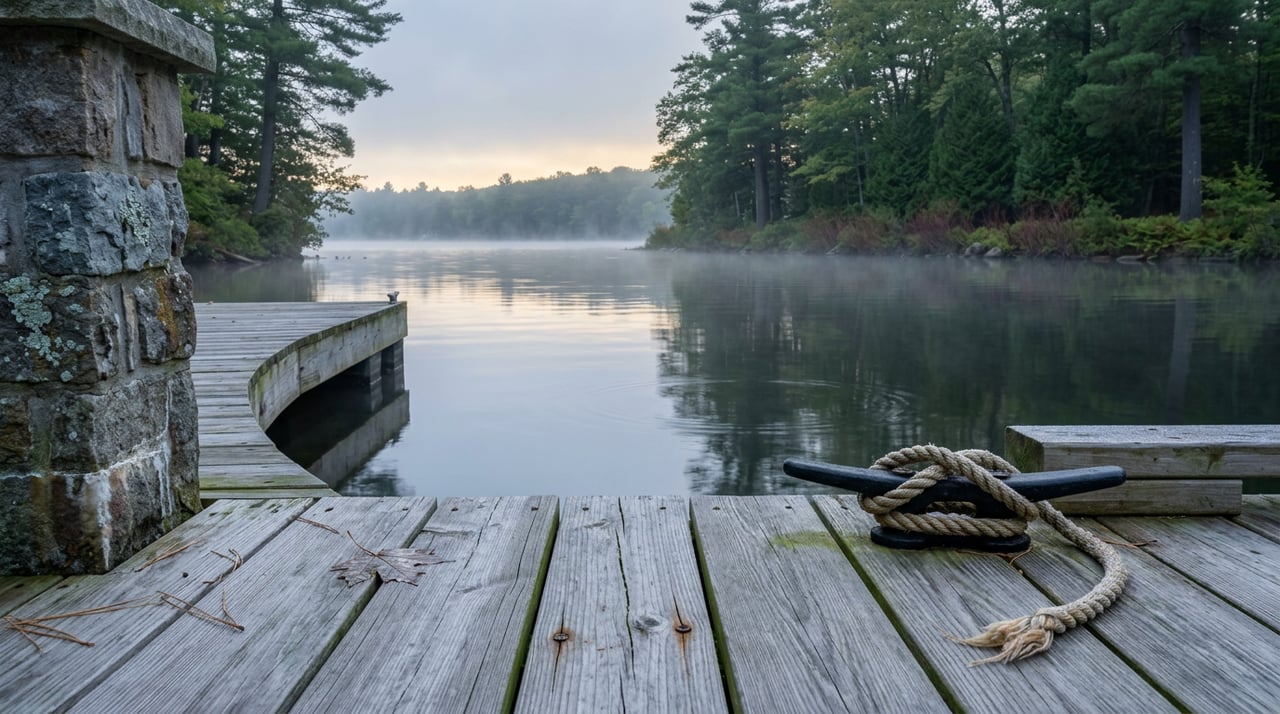
For many buyers, this is the dream. You may be looking for sunrise views, a private shoreline setting, or a home where the bay becomes part of your daily routine.
Still, bayfront ownership comes with more responsibility than many buyers expect. Michigan EGLE explains that private shoreline property extends to the water’s edge and that the shoreline can shift as lake levels change.
EGLE also requires permits for many construction activities on Great Lakes bottomlands. That can include docks, boat lifts, seawalls, dredging, and filling, so it is important to understand what is allowed before you buy.
What to weigh with bayfront property
If you are comparing bayfront homes, pay close attention to these points:
- Shoreline ownership and exact lot boundaries
- Existing or planned shoreline improvements
- Permit needs for future work
- Erosion exposure and shoreline protection approach
- Floodplain status and any related documentation
Bayfront homes can be exceptional lifestyle properties, but they work best when you go in with clear expectations. A beautiful shoreline is a major asset, yet it also deserves careful due diligence.
Bay-view homes with less shoreline upkeep
Not every water-focused buyer needs direct frontage. A bay-view home can offer the scenery and water-oriented feel you want without the same level of shoreline ownership and maintenance.
These homes are often set back from the shore or positioned at a higher elevation. You may still enjoy broad views and a strong sense of place while avoiding some of the extra responsibilities that come with direct waterfront ownership.
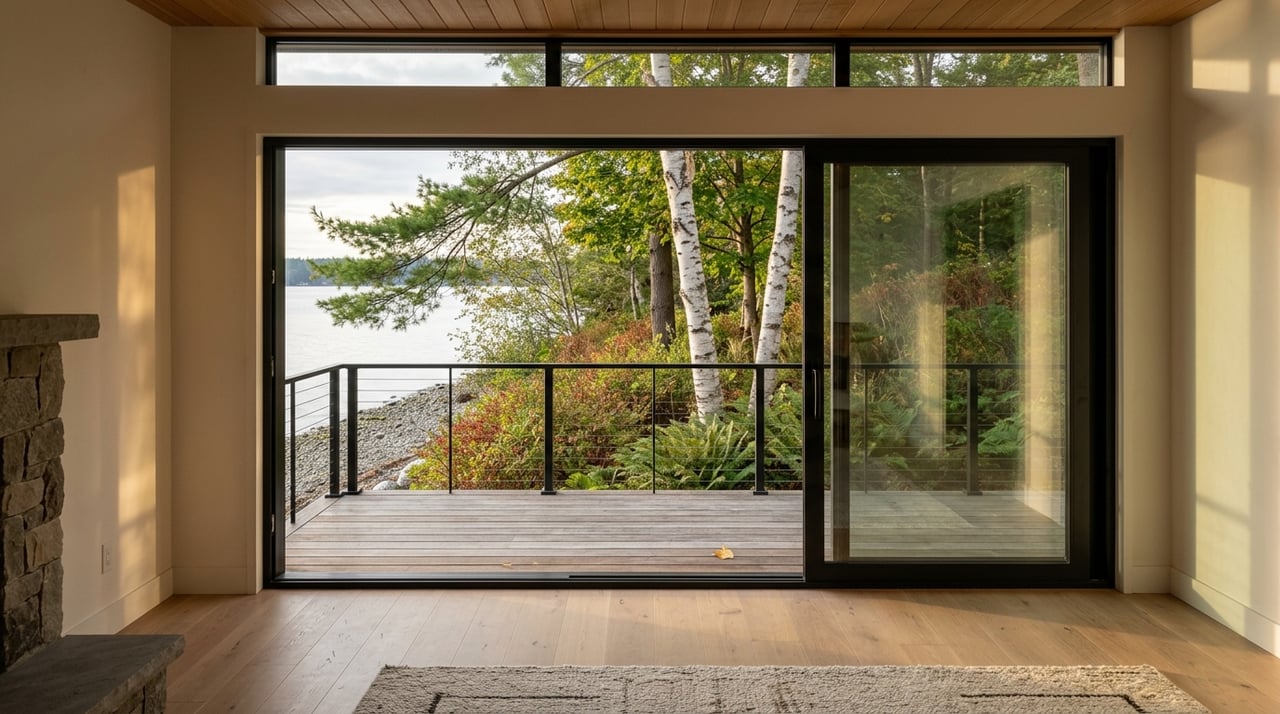
This option can be especially appealing if your top priority is the visual connection to the bay. If you care more about the view from your windows or deck than about managing the shoreline itself, a bay-view home may be the smarter fit.
Why buyers like bay-view homes
Bay-view properties often appeal to buyers who want:
- Water scenery without direct shoreline work
- A lower-maintenance lifestyle
- Flexibility in lot layout or elevation
- A strong Traverse City lifestyle feel without full waterfront obligations
This is where your home search benefits from clear priorities. If your ideal day includes looking at the water more than launching from your own frontage, view homes deserve serious attention.
In-town homes near public water access
One of Traverse City’s biggest strengths is that you do not have to own shoreline property to enjoy the water regularly. The city’s public shoreline, parks, and trail network create a strong option for buyers who want water access built into everyday life.
Clinch Park runs along more than two miles of public land on West Grand Traverse Bay and includes the city marina and the TART Trail. Other city waterfront access points include Bryant Park, West End Beach, East Bay Park, Sunrise Peace Park, and Traverse City State Park.
The city also notes that its bike network links neighborhoods, downtown, and parks. In practical terms, that means some in-town homes and cottages can offer a very water-centered lifestyle even without private frontage.
Best fit for walkable lifestyle buyers
This option often works well if you want:
- Easy beach access without owning the shoreline
- Close connection to downtown and daily amenities
- Biking and walking routes near home
- Less responsibility than a private waterfront parcel
For many buyers, this is the sweet spot. You still get regular access to the bay, beaches, and trails, but you can skip the added layer of private shoreline maintenance and permitting concerns.
Inland-lake homes across Grand Traverse County
If you are open to looking beyond the bay, Grand Traverse County adds another category of water living. Inland-lake communities can offer a different pace and setting while still delivering the waterfront lifestyle many buyers want.
The county’s parks and recreation plan identifies access to lakes such as Arbutus Lake, Cedar Lake, Elk Lake, Spider Lake, Duck Lake, Green Lake, and Silver Lake. That helps explain why many buyers do not need to stay directly on the bay to enjoy life near the water.
Some inland-lake properties may offer a different mix of privacy, lot shape, or surroundings. Depending on the lake and the setting, you may find a quieter feel or a property type that better matches your goals.
Inland lakes have their own rules
It is important not to treat bayfront and inland-lake homes as the same product. Great Lakes frontage involves one set of shoreline conditions and permitting considerations, while inland lakes may be shaped by lake-specific rules, associations, or water-level systems.
Duck Lake is a good local example. Grand Traverse County says its water level is controlled by a court order and county dam operations, with managed summer and winter levels.
That does not mean every inland-lake property has the same issue. It does mean you should evaluate each lake on its own terms before making assumptions.
Frontage, view, or access
When you start touring homes, one of the most important comparisons is not bay versus lake. It is frontage versus view versus access.
A home with frontage gives you direct shoreline ownership. A view home may deliver the setting you want without the same obligations. A home with access may put beaches, parks, or trails close by, even if it does not include any private water rights.
These categories can feel similar online, but they are very different in real life. That is why buyers should verify whether a parcel includes deeded frontage, shared access, or only proximity to a public beach or trail.
Questions to ask before touring
To compare homes more clearly, ask these questions early:
- Does the property have private frontage, shared access, or no legal water access?
- Is the “water view” seasonal, partial, or wide open?
- Are there existing shoreline structures or planned improvements?
- Is the home in or near a floodplain?
- What public parks, beaches, or trails are nearby?
This kind of clarity can save you time and help you focus on properties that truly match your priorities.
Floodplain and shoreline checks
Homes near the water deserve a little extra review before you move forward. EGLE defines a floodplain as land with a 1 percent annual chance of flooding and notes that floodplain maps may need to be checked locally.
EGLE also says elevation certificates are used for new construction or substantial improvements in the floodplain. If you are looking at a bayfront lot or a home with significant shoreline work, those details matter.
Shoreline protection matters too. EGLE recommends natural shoreline protection where possible, which is useful context if you are evaluating a property with erosion concerns or future improvement plans.
Which water lifestyle fits you best
The right answer depends on how you want to live, not just what looks best in photos. If you want private shoreline and a direct connection to the bay, bayfront property may be worth the extra diligence.
If you want the beauty of the water without the same level of upkeep, a bay-view home may offer a better balance. If your goal is beach access, trails, and a more walkable daily routine, an in-town home near parks and the shoreline may be the strongest fit.
And if you want a quieter lake setting or more flexibility beyond the city, inland-lake communities across Grand Traverse County can open up strong alternatives. The best search starts by defining what “near the water” really means to you.
If you are exploring waterfront, view, or access-oriented homes in Traverse City, working with a local expert can make the process much clearer. To talk through your options and narrow in on the right fit, connect with Seth David.
FAQs
What does waterfront living in Traverse City include?
- In Traverse City, waterfront living can include direct bay frontage, bay-view homes, in-town homes near public beaches and trails, and inland-lake properties in the broader county.
Does a bay view home in Traverse City include water access?
- Not necessarily. A bay view does not automatically include private frontage or legal access, so you should confirm whether the property has deeded frontage, shared access, or only nearby public access.
Are bayfront homes and inland-lake homes in Grand Traverse County the same?
- No. Bayfront homes are shaped by Great Lakes shoreline conditions and permitting rules, while inland-lake homes may be affected by lake-specific water-level systems, associations, or local rules.
What should you check before buying a bayfront home in Traverse City?
- You should review shoreline ownership, possible permit requirements for improvements, erosion conditions, floodplain status, and any existing shoreline structures or protection measures.
Are there homes in Traverse City with easy beach access but no private shoreline?
- Yes. Traverse City’s public shoreline system includes places like Clinch Park, Bryant Park, West End Beach, East Bay Park, Sunrise Peace Park, and Traverse City State Park, which supports a strong walkable water lifestyle without private frontage.